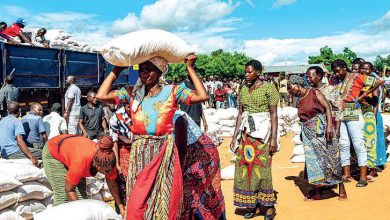
Department of Disaster Management Affairs (Dodma) commissioner Wilson Moleni says anticipatory action is critical to reducing the impact of climate shocks in the country.
Speaking in Lilongwe yesterday at the opening of the third National Dialogue Platform on Anticipatory Action, he said the government cannot manage the effects of climate shocks alone.

“Cyclone Freddy taught us a painful but important lesson. The unprecedented loss of lives and damage could have been significantly reduced if anticipatory action was in place,” said Moleni.
He said the impacts of cyclones Chido and Jude were minimised because people moved to higher ground, harvested crops early and strengthened their homes.
Moleni noted that although the Disaster Management Trust Fund established under the 2023 Disaster Risk Management Act is not yet operational, the country remains committed to disaster preparedness and called on stakeholders to support the fund.
In his remarks, Malawi Red Cross Society director of programmes Leonard Maganga said Malawi’s growing exposure to floods, cyclones and droughts underscores the need for evidence-based interventions.
He said anticipatory action should be institutionalised across national disaster management systems and aligned with government frameworks such as the Disaster Risk Management Act, the National Contingency Plan and early warning systems.
“Through institutionalisation, we can promote coordination, predictability, financing and sustainability,” said Maganga.
He said the society has strengthened preparedness in Blantyre and Chikwawa and insured 52 000 families in Phalombe to ensure timely support when disasters strike.
World Food Programme (WFP) country director Hyoung-Joon Lim said anticipatory action is increasingly the only viable way for Malawi to protect lives, livelihoods and development gains in the face of frequent and intense climate shocks.
He reaffirmed WFP’s collaboration with Dodma and relevant government departments to ensure forecasts trigger timely and dignified support for vulnerable households.
Lim also warned that global humanitarian resources are under strain, reinforcing the need to act early.
“When families act before disaster strikes, they do not merely avoid hardship; they unlock their potential,” he said.
WFP has mobilised $2.5 million for drought anticipatory action in Nsanje, Phalombe, Zomba and Mangochi districts to help households prepare for the lean season and expected dry spells.
Lim said the agency’s Zero Hunger Project seeks to ensure communities graduate from vulnerability through bundled support and stronger local ownership.